





The psychology behind why we gamble in casinos
The psychology behind why we gamble in casinos
The allure of chance and uncertainty
The thrill of gambling in casinos often stems from the human fascination with chance and uncertainty. The unpredictable nature of gambling creates an adrenaline rush that many find intoxicating. When players place a bet, they step into a realm where outcomes are largely determined by luck, and this unpredictability can trigger a potent mix of emotions, from hope to excitement. The very act of wagering introduces an element of risk that can amplify the experience, making each spin of the roulette wheel or draw of a card feel significant. For those interested, online casino platforms offer a convenient way to explore these thrills from the comfort of home.

This psychological draw is rooted in our brains’ reward systems. Winning, even small amounts, releases dopamine, a neurotransmitter linked to pleasure and reward. This pleasurable feeling encourages players to chase the next win, often leading them back to the gaming floor. Over time, the anticipation and excitement become addictive, as players continually seek the highs associated with gambling victories.
The role of environment and design
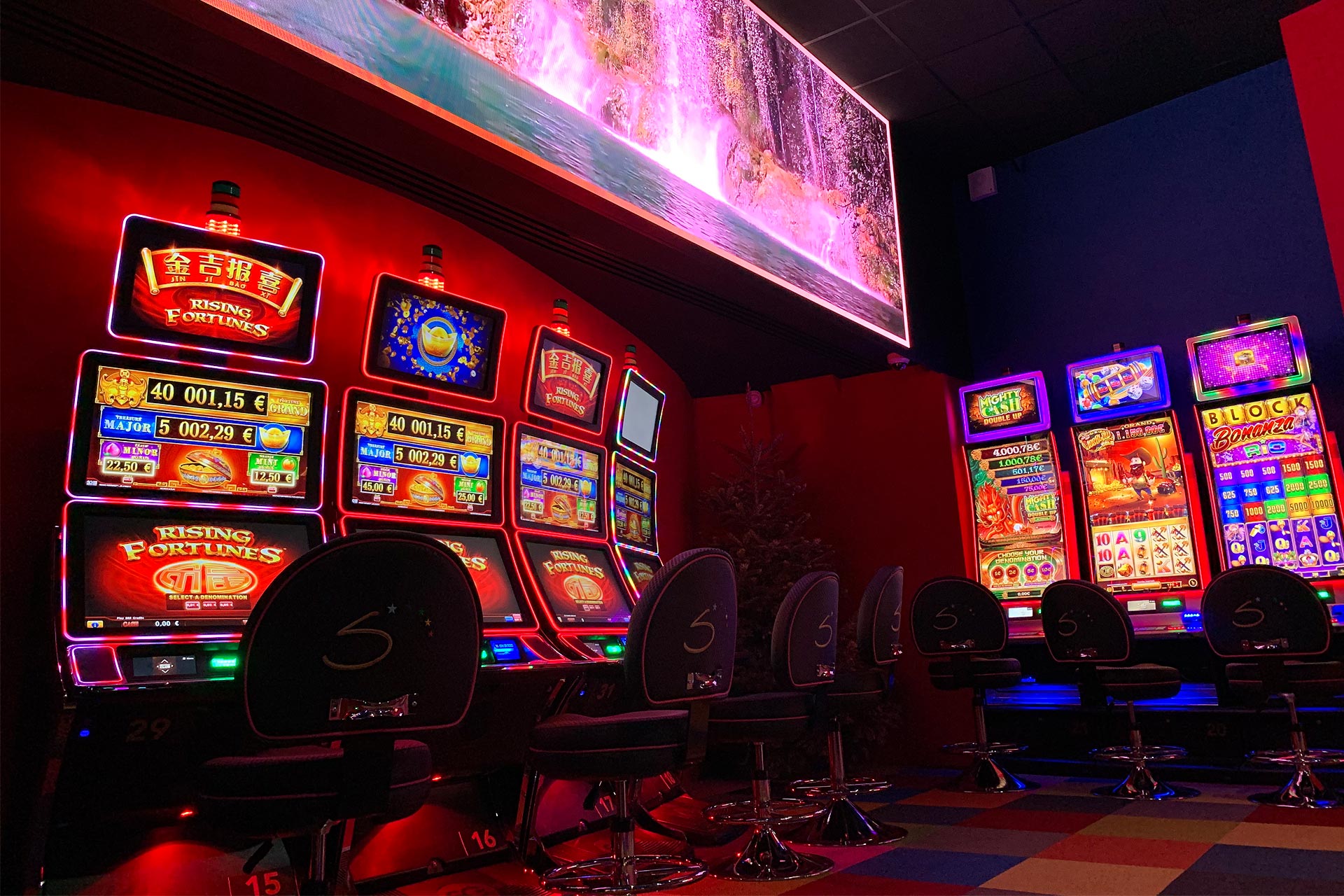
The physical design of casinos is meticulously crafted to enhance the gambling experience. Bright lights, vibrant colors, and the sounds of coins clinking or machines ringing create an immersive environment that stimulates the senses. This sensory overload can lead to a disorienting effect, making it easy for patrons to lose track of time and reality. The strategic layout of gaming tables and slot machines is intended to keep players engaged, encouraging them to gamble longer and spend more.
Moreover, many casinos employ techniques such as providing complimentary drinks and meals to encourage players to stay longer. This combination of sensory stimulation and convenience creates an atmosphere where gambling feels like a continuous, exhilarating event. Players may find themselves swept up in the excitement, often overlooking the risks involved, which can lead to prolonged gambling sessions.
The psychology of loss and the illusion of control
Another psychological aspect of gambling is the concept of loss aversion, which suggests that individuals feel the pain of losing more intensely than the pleasure of winning. This can lead to a cycle of chasing losses, where players believe that they can recover lost bets by continuing to gamble. Such behavior is often fueled by the illusion of control, where players convince themselves that they have some influence over outcomes, particularly in games like poker or blackjack.
This mindset can create a dangerous feedback loop. Players may begin to see patterns or develop strategies that they believe will lead to success, further entrenching their participation. The resulting behavior is often characterized by increased risk-taking and an inability to walk away, even when losses mount. Understanding this psychological trap is essential for recognizing the potential dangers associated with gambling in casinos.
The social dynamics of gambling
Gambling in casinos is often a social activity, providing opportunities for interaction and shared experiences. The presence of fellow players can amplify the excitement and enjoyment of gambling, making it feel less like a solitary endeavor and more like a communal event. This social aspect can encourage people to gamble more than they might on their own, as they feed off the energy and enthusiasm of those around them.
Additionally, casinos often host events, tournaments, and promotions that foster a sense of community among gamblers. These social gatherings can strengthen the emotional ties to gambling, making it an integral part of leisure activities. The feeling of belonging can further entice players to return to casinos, reinforcing their gambling habits and social connections.
Insights from the gambling industry
For those interested in understanding the dynamics of gambling behavior, the gambling industry offers a wealth of insights. It continuously evolves based on research and feedback, adapting to the psychological profiles of players to enhance the overall experience. Understanding these elements can benefit both players and operators, fostering a more responsible approach to gambling.
This website serves as a valuable resource for those seeking to understand the intricacies of the gambling world. With news, updates, and insights into the industry, readers can stay informed about trends and developments that shape the casino experience. Ultimately, this knowledge can help players make more informed decisions, enhancing their understanding of the psychological aspects of gambling while prioritizing safety and responsibility.